English
 Español
 Русский
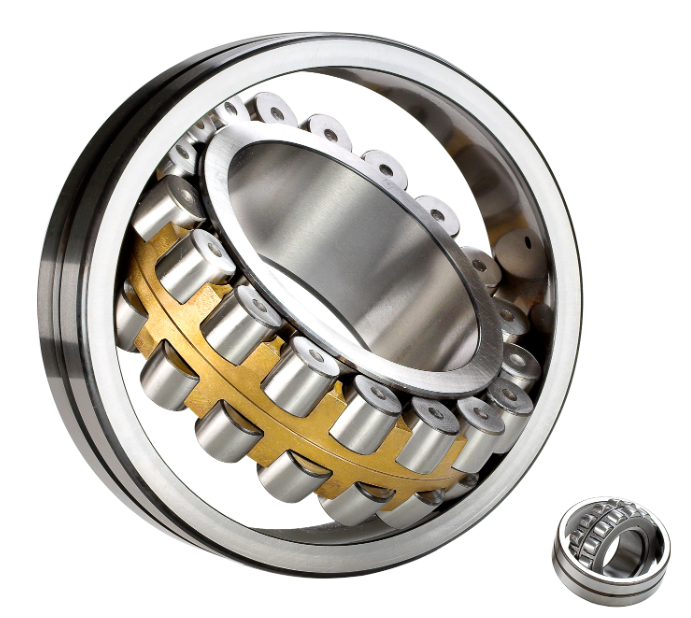
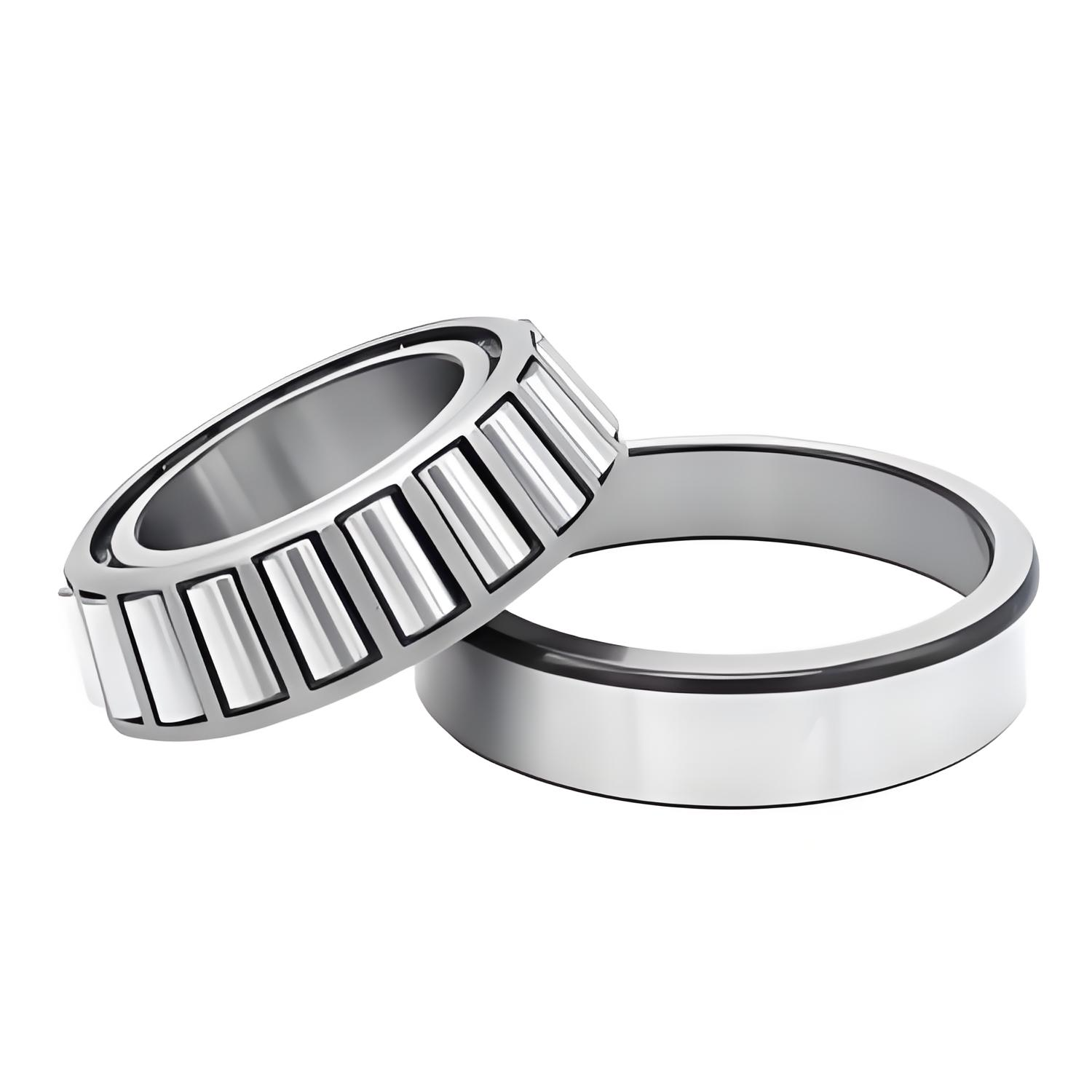
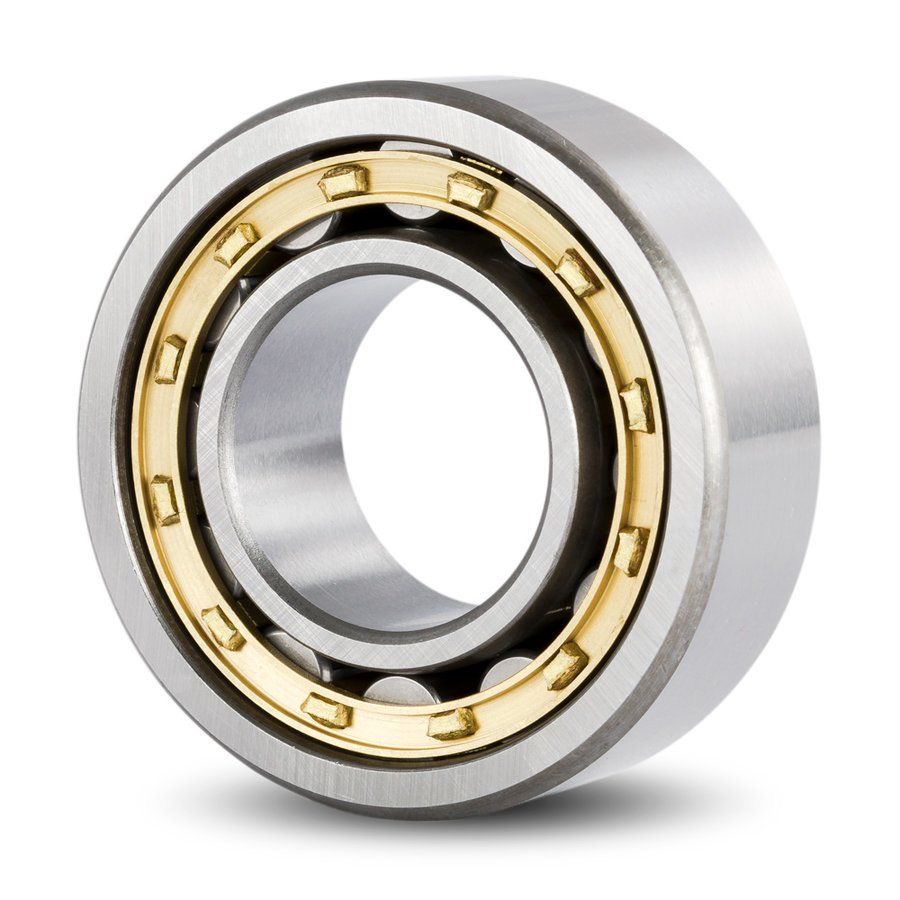
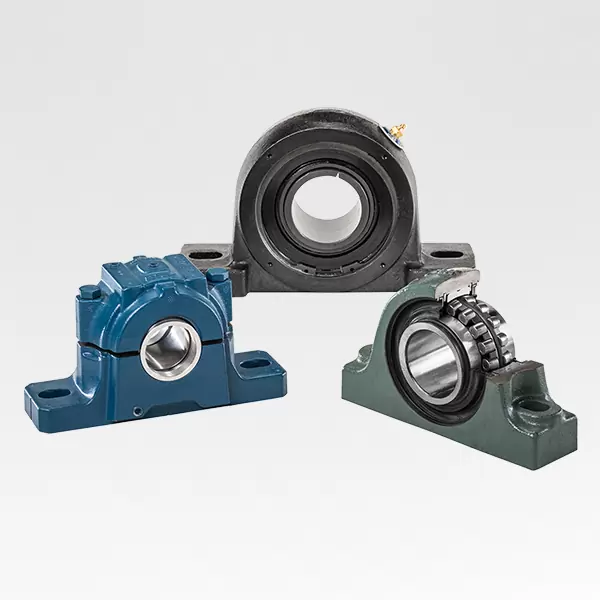
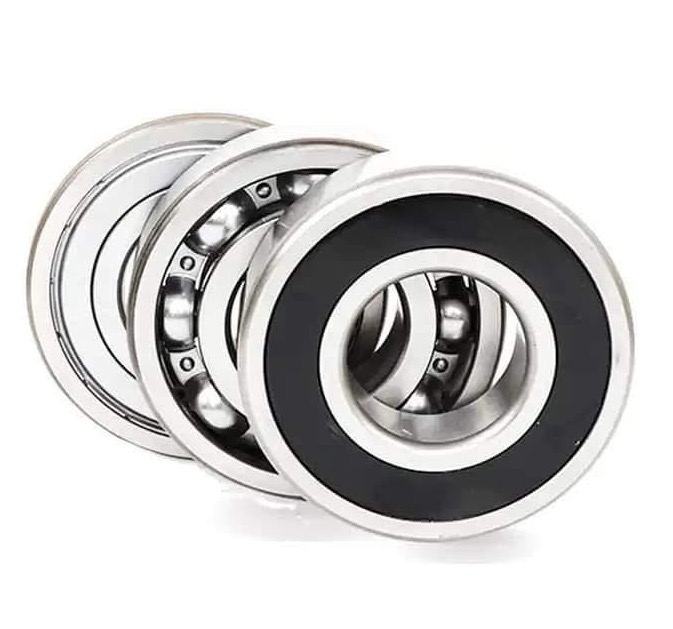
What are the prices like for SKF bearings? SKF is a world-renowned bearing company and a leading international brand. If the product is from a legitimate channel, the quality is undoubtedly excellent. SKF bearings are moderately priced, have a long lifespan, and exhibit low temperature rise during operation, but their price is relatively high. So how do you judge the quality of SKF bearings? Let's take a look at the internal production inspection items for SKF bearings.
How to judge the quality of SKF bearings?
1. Various mechanical damages, such as abrasions, scratches, pressure marks, and impacts, can cause improper bearing installation, leading to uneven loading and stress concentration, resulting in reduced rotational accuracy and service life.
2. Rust, scale, and pitting. The latter two are defects that easily trap moisture and dirt, readily developing into rust. Rust is a source of contamination leading to improper installation, premature wear, and fatigue; severe rust can render the bearing unusable.
3. Various cracks, such as those in raw materials, forging, heat treatment, and grinding, will become stress concentration points during bearing operation, rapidly expanding and causing bearing failure. This significantly impacts bearing life and operational safety. In fact, for bearings used in critical applications, manufacturers conduct 100% magnetic or radiographic testing on their components.
4. Peeling and folding defects indicate poor bonding between the material and the base metal. Furthermore, varying degrees of decarburization or carbon depletion often exist around these defects, making the material prone to chipping, denting, or wear, which is detrimental to bearing life and precision.
5. The quality of the riveting or welding of the bearing cage should be carefully observed. This includes checking for misalignment, skewness, looseness, missing material, or "double eyelids" in the rivet heads; whether the welding position is correct; whether the weld points are too large or too small; and whether there are any instances of weak or excessive welding causing the rolling elements to jam.
Main Factors Affecting Bearing Corrosion
1. Relative Humidity
***Humidity: The weight of water vapor per unit volume of air (g/m³)
Relative Humidity: The ratio of the water vapor content in the air to the saturated water vapor content at the same temperature, expressed as a percentage.
Relative humidity determines whether a water film forms on the metal, the thickness of the water film, and its duration. The higher the relative humidity,
the greater the humidity in the air, the faster the metal corrosion. The critical relative humidity for steel is 70%.
2. Temperature
Generally, the rate of chemical reactions increases with increasing temperature. Metals react with oxygen and moisture in humid air... Above the critical temperature, condensation occurs on the metal surface due to temperature changes, leading to corrosion. When the relative humidity is below the metal's critical humidity, the effect of temperature on atmospheric corrosion is relatively small; when the relative humidity reaches the metal's critical humidity, the effect of temperature becomes very significant, with higher temperatures accelerating the reaction rate.
3. The Influence of Oxygen
Without oxygen, atmospheric corrosion of metals will not occur. In some special cases, different oxygen concentrations on the metal surface can create a special form of differentially charged cell. For example, on overlapping surfaces, where one metal surface is in close contact with another, there is no rust at the edge of the contact surface, but cloud-like shadows or rust appear further away from the edge. On steel, this rust product often appears gray or black (iron oxide).
4. The Influence of Atmospheric Pollutants
Besides oxygen and water vapor, the atmosphere contains various pollutants, such as carbon dioxide, nitrogen oxides, gaseous carbon dioxide, and solid dust. These pollutants condense on metal surfaces along with water mist in the air, dissolving in water and producing the following results: various non-metallic oxides dissolve in water to form acids, which damage the passivation film on the metal surface; various electrolytes increase the conductivity of the water film; and the critical relative humidity of the metal decreases. (For example, when the atmosphere contains 0.01% SO2, the critical humidity can drop from 70% to 50%. In a humid atmosphere, one SO2 molecule can turn dozens of iron atoms into oxides.)