English
 Español
 Русский
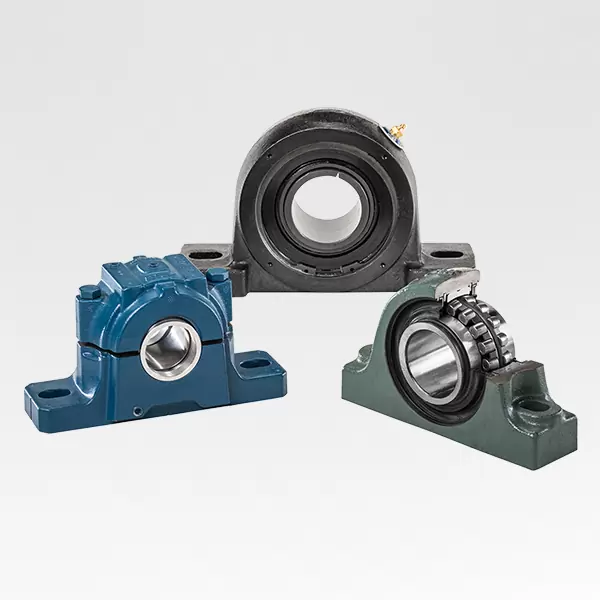
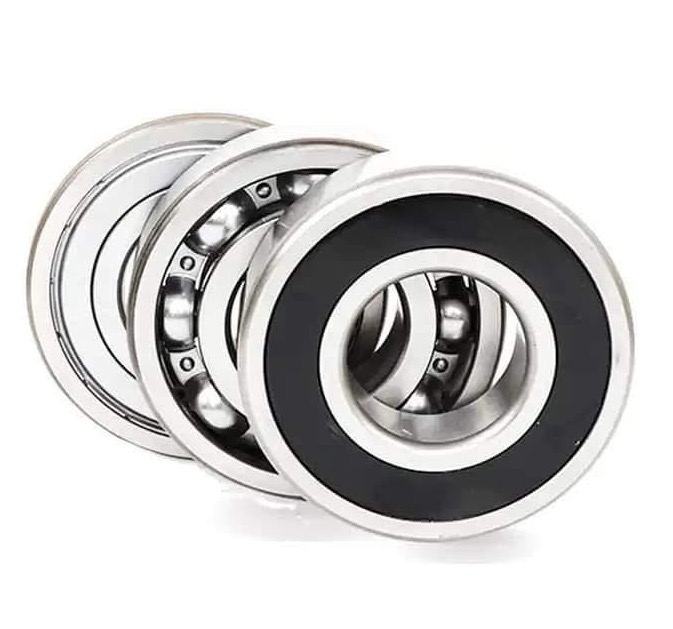
INA bearings have mounting space that can accommodate bearing types within the bearing mounting space. Because shaft rigidity and strength are emphasized during shaft system design, the shaft diameter, i.e., the bearing inner diameter, is generally determined first. However, rolling bearings come in various size series and types; the most suitable bearing type should be selected from among them.
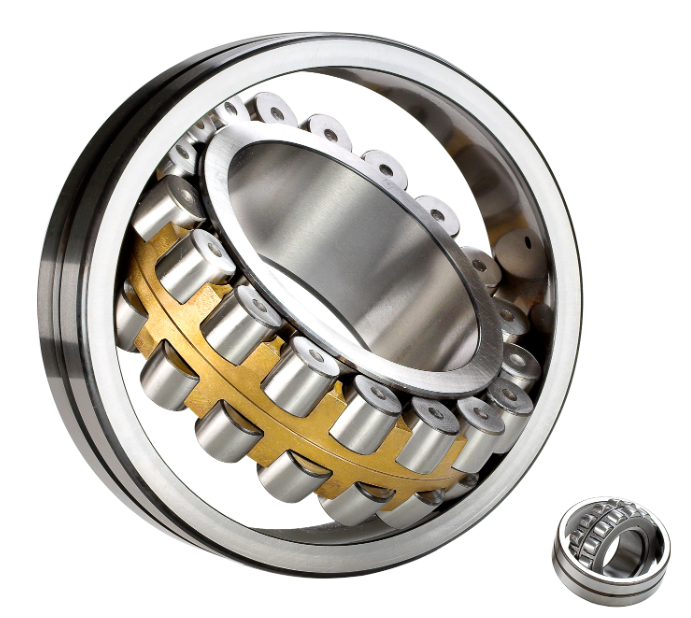
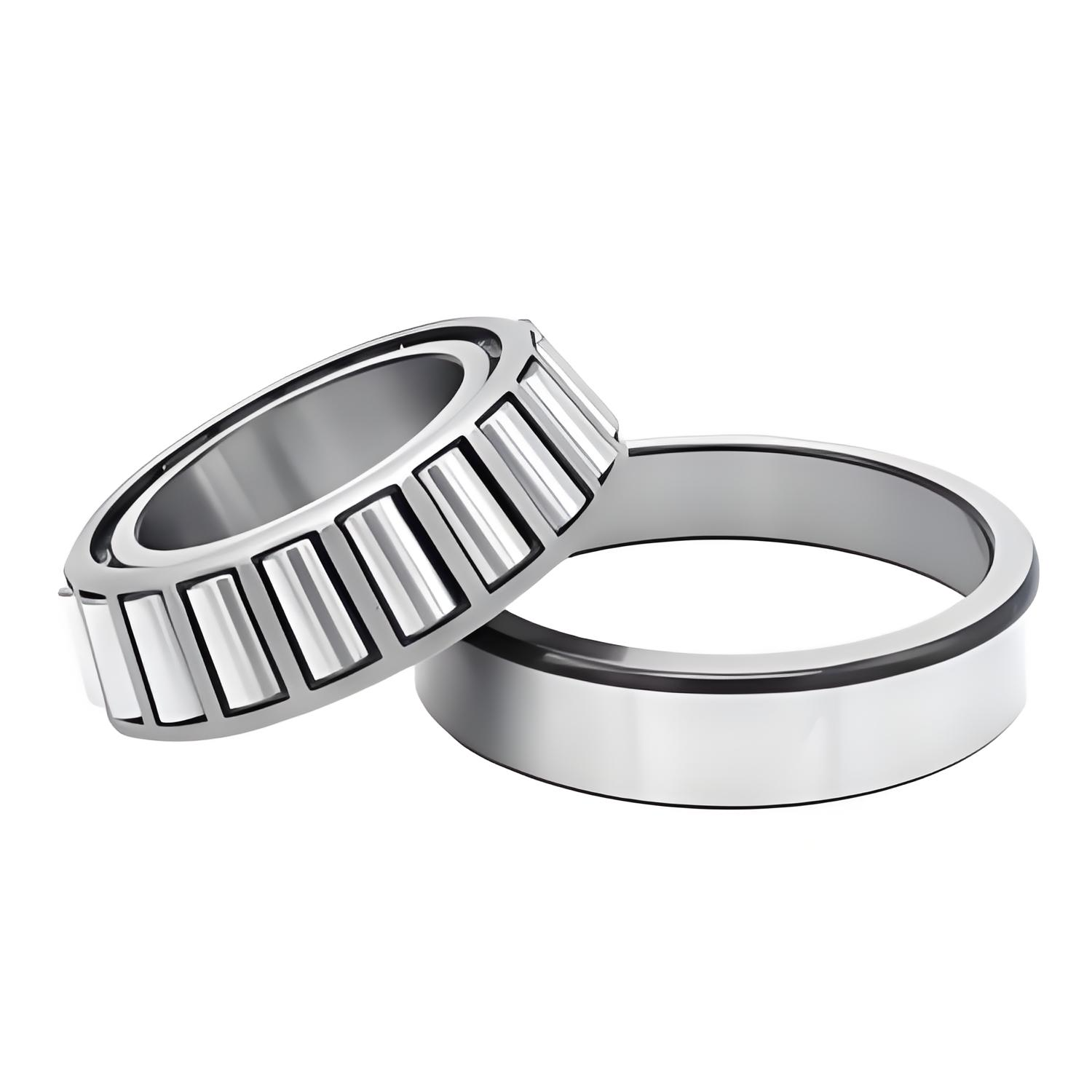
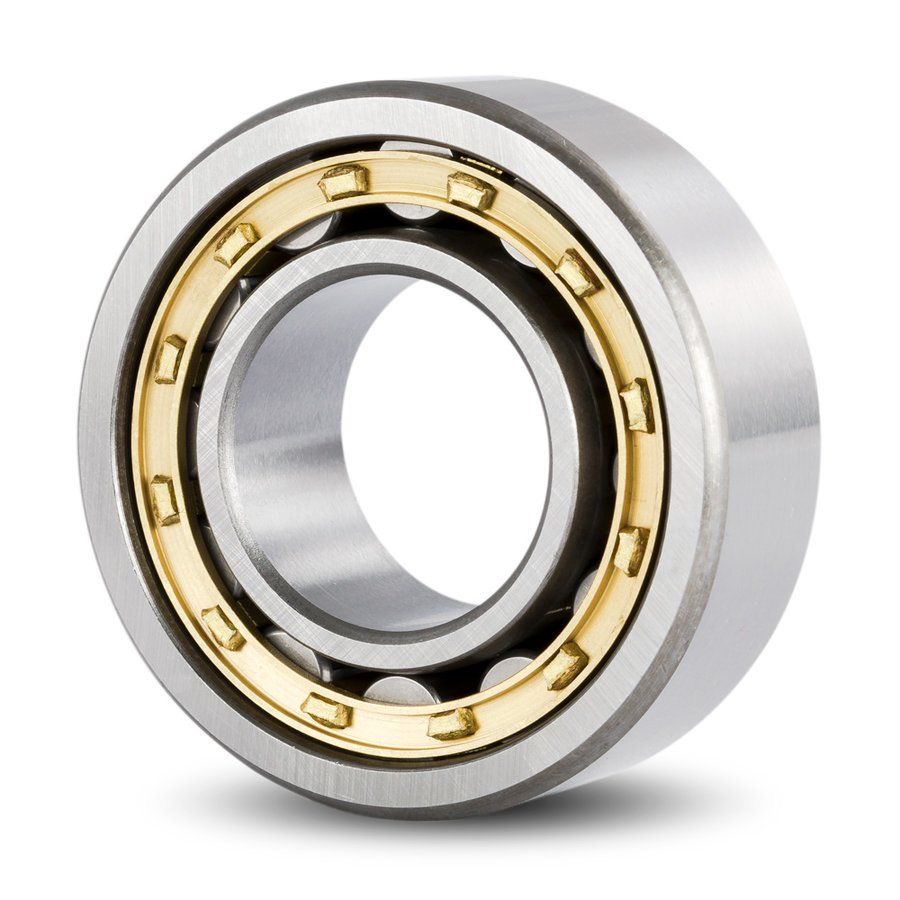
The magnitude, direction, and nature of the bearing load [the bearing's load capacity is expressed in basic rated load, the value of which is listed in the INA bearing size table] are crucial factors. Bearing loads vary greatly, including the magnitude of the load, whether it is a radial load only, whether the axial load is unidirectional or bidirectional, the degree of vibration or impact, etc. After considering these factors, the most suitable bearing type should be selected. Generally, for bearings with the same inner diameter, the radial load capacity increases in the following order: deep groove ball bearings < angular contact ball bearings < cylindrical roller bearings < tapered roller bearings < self-aligning roller bearings.
Bearing types whose speeds can adapt to the machine's rotational speed [the limit value of bearing speed is expressed as the limiting speed, and its value is listed in the INA bearing size table]. The limiting speed of a bearing is not only determined by the bearing type but also limited by the bearing size, cage type, precision class, load conditions, and lubrication method. Therefore, these factors must be considered when selecting a bearing. The following bearings are mostly used for high-speed rotation: deep groove ball bearings, angular contact ball bearings, and cylindrical roller bearings.
This concludes the introduction to INA bearings. We hope this information is helpful.