English
 Español
 Русский
Various types of rolling bearings have different characteristics and are suitable for different applications in various machines. Generally, thrust bearings and angular contact bearings are selected for thrust loads; ball bearings are typically used in high-speed applications; and roller bearings are selected for heavy radial loads.
1. Space and Position Occupied by INA Bearings
In mechanical design, the shaft dimensions are generally determined first, and then rolling bearings are selected based on these dimensions. Ball bearings are usually used for small shafts, and roller bearings for large shafts. However, when the bearing's position in the machine's diameter is restricted, needle roller bearings, extra-light and ultra-light series ball or roller bearings are selected; when the bearing's position in the machine's axial direction is restricted, narrow or extra-narrow series ball or roller bearings can be selected.
2. Magnitude, Direction, and Nature of the Load on the Bearing
Load is the most important factor in selecting a bearing. Roller bearings are used to bear heavier loads, ball bearings are used to bear lighter or medium loads, and bearings made of carburized steel or bainitic hardened steel can withstand impact and vibration loads.
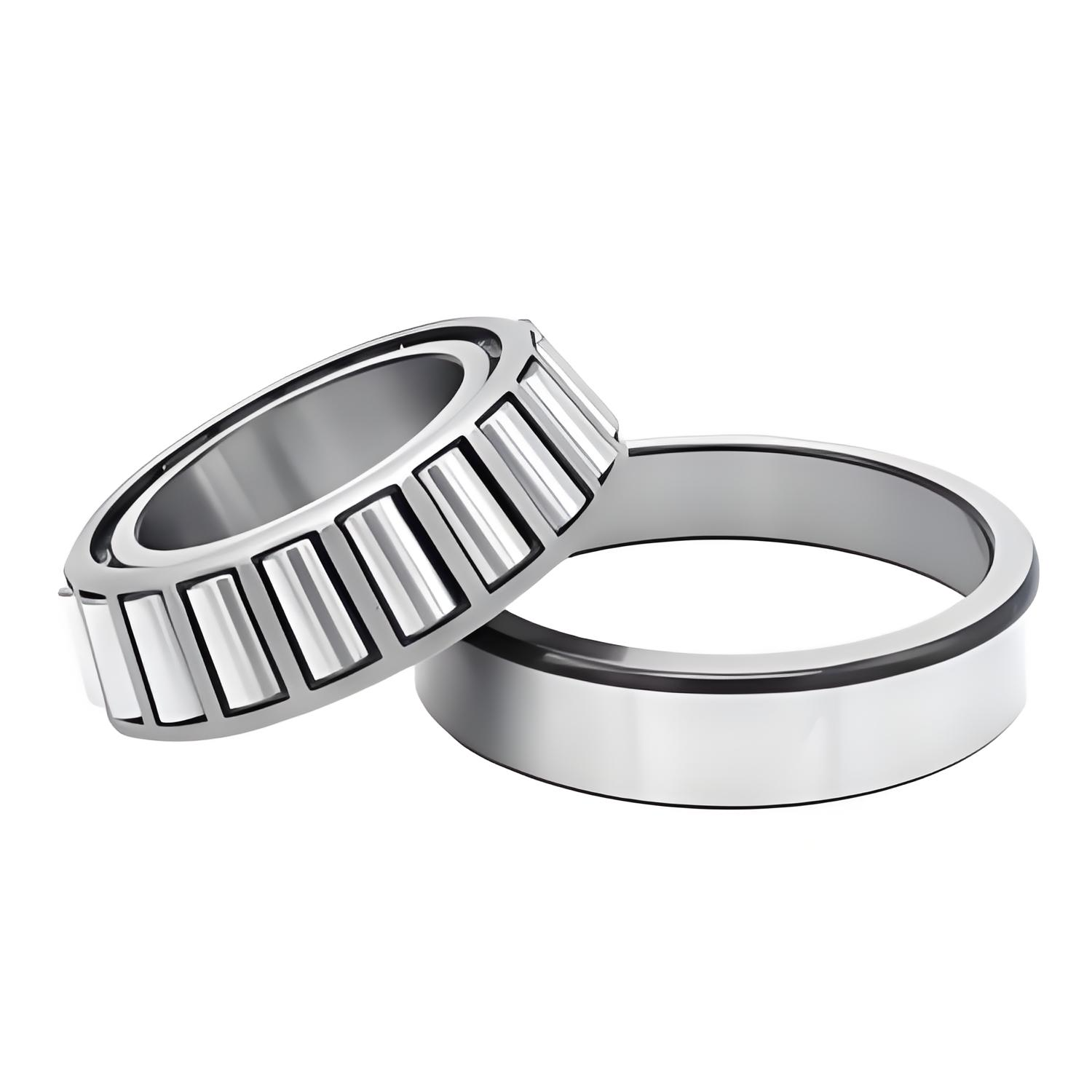
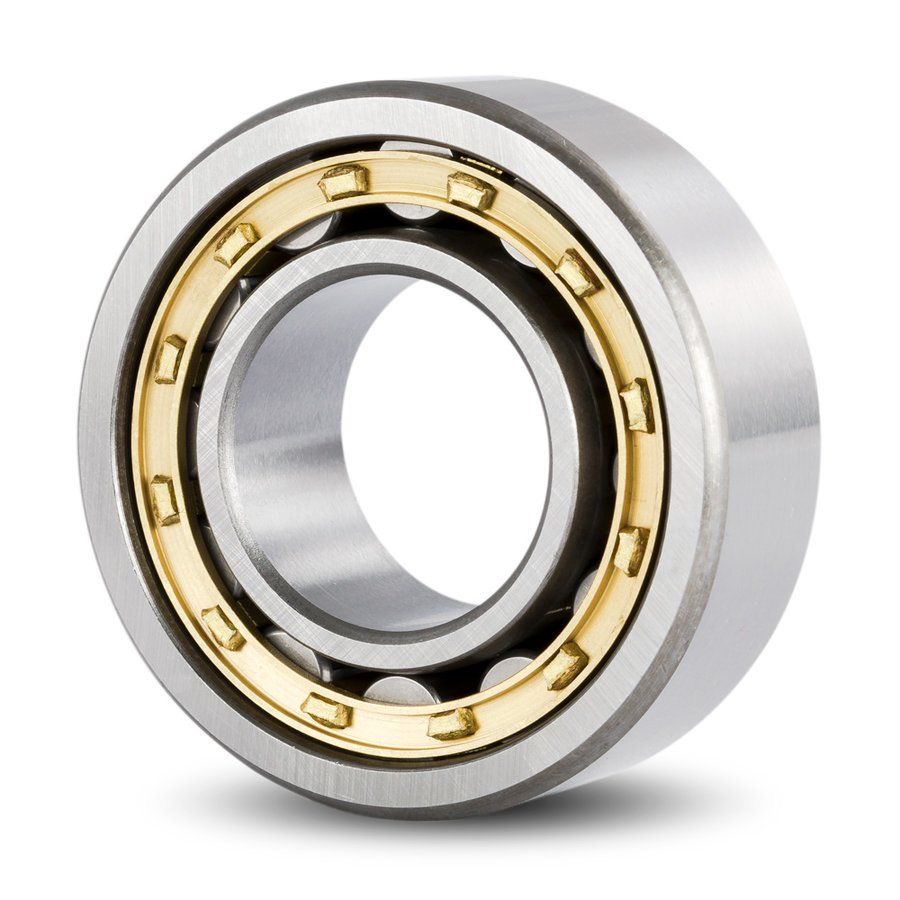
Regarding the direction of load application, deep groove ball bearings, cylindrical roller bearings, or needle roller bearings can be selected for pure radial loads. Thrust ball bearings can be selected for smaller pure axial loads; thrust roller bearings can be selected for larger pure axial loads. When bearings bear combined radial and axial loads, angular contact ball bearings or tapered roller bearings are generally selected.
3. Bearing Self-Alignment Performance
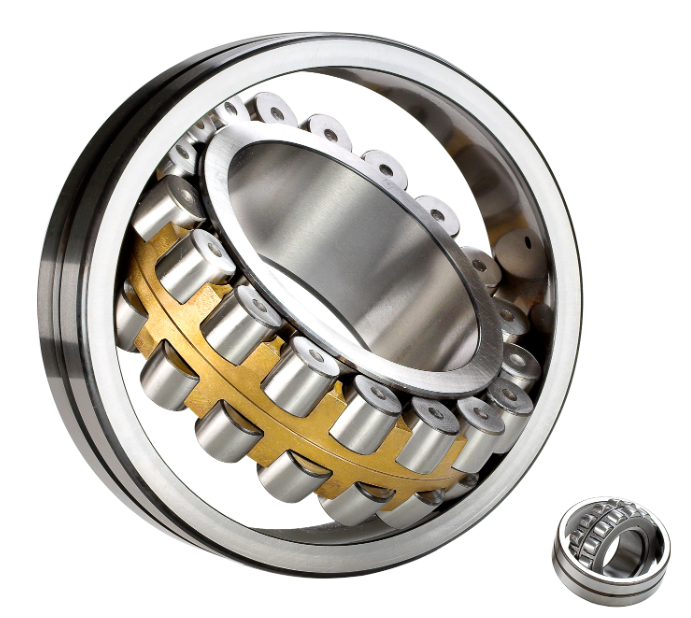
When the centerline of the shaft differs from the centerline of the bearing housing, resulting in angular error, or when the shaft's rigidity is low due to a large distance between the two supports, making it prone to bending or tilting, self-aligning ball or roller bearings with good self-aligning performance, as well as external ball bearings, can be selected. These bearings can maintain normal operation even with slight shaft tilting or bending.
The quality of a bearing's self-aligning performance is related to its allowable axial misalignment; the larger the axial misalignment value, the better the self-aligning performance.
4. Bearing Rigidity
Bearing rigidity refers to the force required for the bearing to produce a unit deformation. Rolling bearings have very small elastic deformation, which can be disregarded in most machines. However, in some machines, such as machine tool spindles, bearing rigidity is a crucial factor, and cylindrical and tapered roller bearings are generally preferred. This is because when these two types of bearings bear loads, the rolling elements and raceways are in point contact, resulting in relatively poor rigidity.
Furthermore, various bearings can be preloaded to increase support rigidity. For example, angular contact ball bearings and tapered roller bearings are often preloaded with a certain axial force during installation to prevent shaft vibration and increase support rigidity, causing them to press against each other. However, the preload should not be excessive, otherwise it will increase bearing friction, raise temperature, and affect bearing life.
5. Bearing Speed
Each lead screw bearing model has its own limiting speed, determined by its size, type, and structural physical characteristics. Exceeding this limit will lead to increased bearing temperature, lubricant drying, and even bearing seizure. Practice has shown that operating at 90% below the limiting speed is preferable.
Grease-lubricated bearings have a lower limiting speed than oil-lubricated bearings, and the oil supply method affects the achievable limiting speed. It's important to note that for grease-lubricated bearings, the limiting speed is generally only 80% of the limiting speed achieved with a high-quality recirculating oil system, but for oil mist lubrication systems, the limiting speed is generally 50% higher than the same basic lubrication system. The design and structure of the cage also affect the bearing's limiting speed.
6. Bearing Floating and Axial Displacement
Typically, a shaft is supported by two bearings spaced a certain distance apart. To accommodate the varying degrees of thermal expansion between the shaft and housing, one bearing should be axially fixed during installation, while the other should be allowed to float on the shaft (i.e., a floating support) to prevent seizing due to shaft elongation or contraction.
7. Ease of Bearing Installation and Removal
When selecting bearing types, ease of installation and removal must also be considered, especially for large and extra-large bearings.
Bearings are crucial components in mechanical equipment. Proper selection, operation, and maintenance can effectively improve the performance and service life of bearings and equipment.